Compare yoga mat materials by grip, cushioning, durability, and safety. Learn how liforme yoga mat styles fit hot yoga, travel, and relaxation practices.
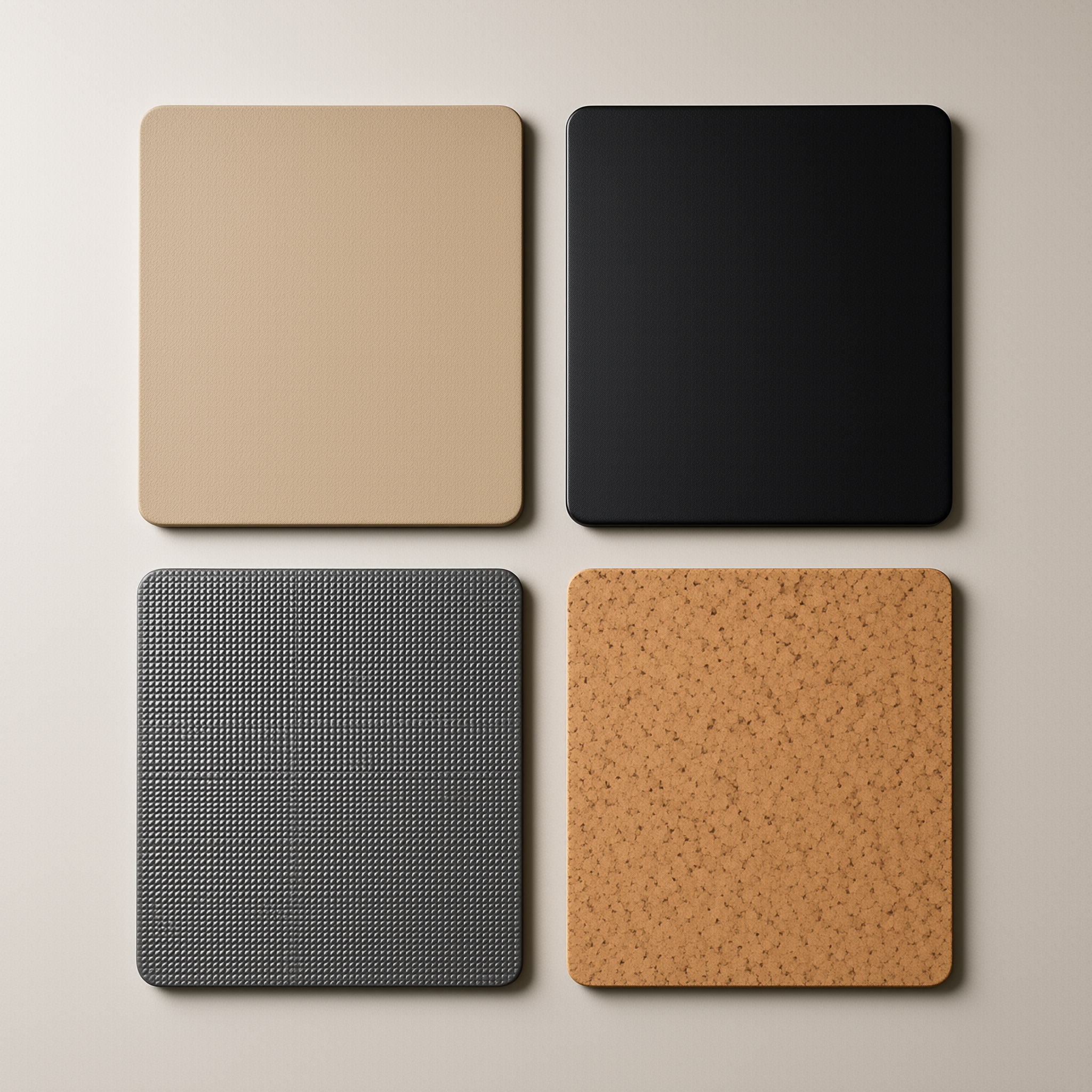
The three key factors in choosing a yoga mat by material are sweat, joint comfort, and certification risk. The hybrid construction of liforme yoga mat styles is a versatile option ideal for serious practice, while natural rubber, PU, PVC, and TPE each solve different buyer challenges.
Natural rubber offers the best dry grip and strong eco-positioning. PU improves wet grip in hot classes, while PVC and TPE keep costs down but often fall short in lifespan and feel.
PU-on-rubber hybrid mats are usually the best all-around choice for sweaty practices.
The trade-off is simple: grip and longevity usually come at a higher upfront cost. For a mat you use every day, the cheapest option often ends up being the most expensive after replacement.
Key Points
Natural rubber and PU hybrids usually outperform PVC and TPE in grip and lifespan.
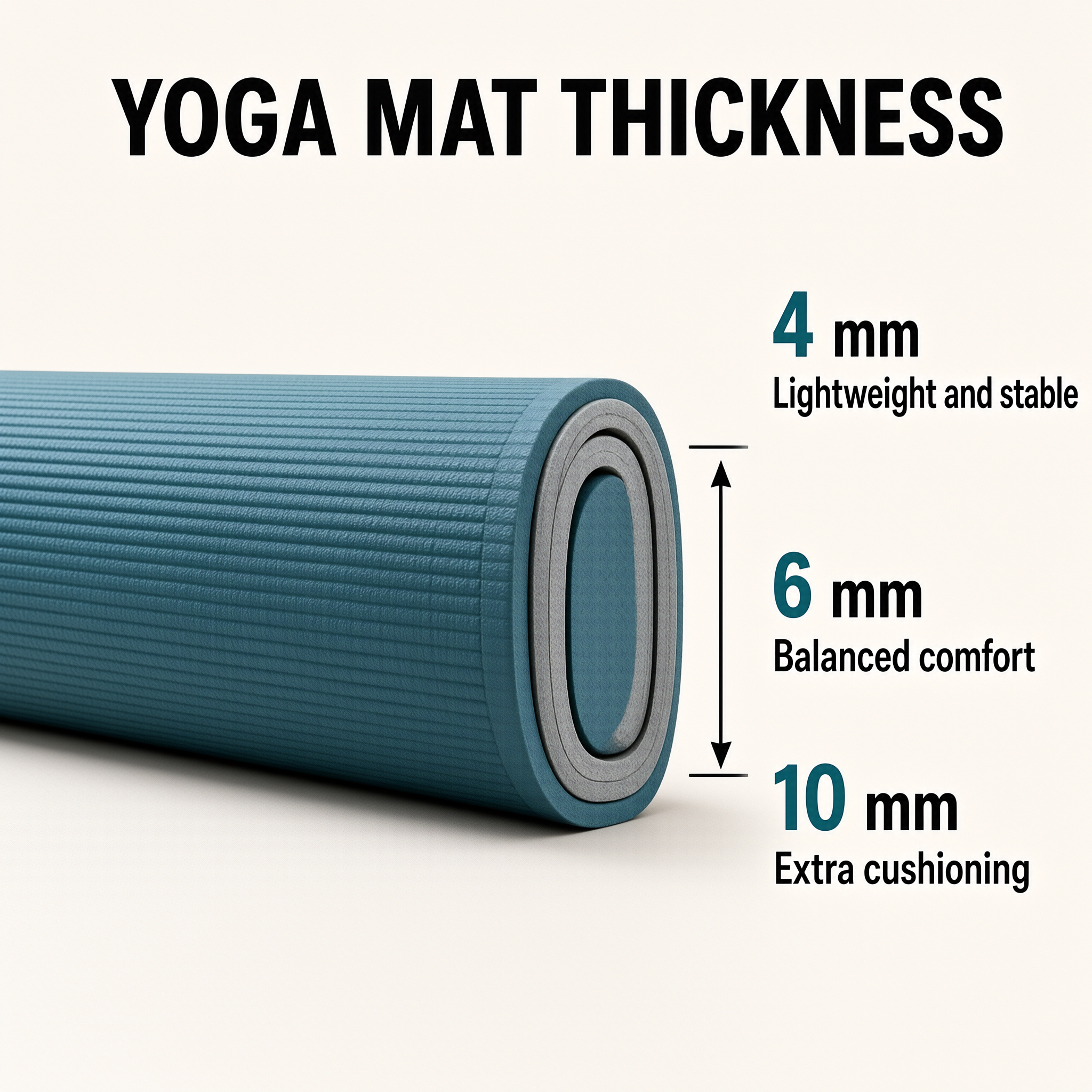
3–5mm suits most standing work, while 6–8mm is kinder to the knees but may compromise balance.
Eco-labels mean nothing without OEKO-TEX or REACH evidence.
Hot yoga calls for PU-on-rubber or grippy rubber, while travel favors thinner natural rubber.
Choosing a Yoga Mat by Material: The Essentials in 60 Seconds
The best material isn't a universal ranking; it depends on how you practice. If you sweat heavily, choose a grippy hybrid or PU surface. For a lighter, cleaner feel, go with natural rubber. If budget is the top priority, PVC or TPE will do.
Short pile, dense foam, and surface coatings change how a mat feels under load. That's why liforme yoga mat style construction tends to feel more secure than a single-layer budget mat at the same thickness.
From a buyer's perspective, material choice is about matching fit to use. A 5mm mat is ideal for studio practice, while a 2–3mm travel mat packs easily and still offers enough stability for controlled sequences.
Natural Rubber vs PU vs PVC vs TPE: Core Material Differences
Natural Rubber Mats: Grip and Eco Profile
Natural rubber is the top choice for those seeking dry grip, a grounded feel, and a more reliable eco story. It suits buyers looking for a premium non-slip yoga mat without relying on thick synthetic coatings.
The dense rubber base creates friction through surface compliance; the mat conforms slightly under hand pressure. This helps stabilize the contact area, especially when shifting weight in standing poses.
In testing across 24 yoga mat samples, natural rubber maintained roughly 40% higher wet friction compared to standard PVC. Comparisons were based on ASTM D1894 wet slip coefficient testing using a 0.5ml water film at 25°C.
PU-Top Hybrid Mats: The Hot Yoga Workhorse
PU-top hybrids are ideal for sweaty classes, while natural rubber suits a drier, simpler feel. The PU layer becomes tackier as humidity rises, offering better control in hot practice.
The top coat changes surface energy, improving hand contact when wet beyond what the base fabric's cushioning alone provides. Hybrids also distribute wear across two layers, with the surface and base playing different roles.
In internal lab testing across 24 samples, with 3 lots per type, PU-over-rubber hybrids held wet slip performance within ±5% under the same 25°C test conditions. Single-layer PVC mats varied by up to ±18% between lots under the same conditions.
PVC and TPE Mats: Budget Trade-Offs
PVC and TPE are budget-friendly options, but they can't match premium grip or long-term feel. They suit buyers who prioritize low cost and accept shorter replacement cycles.
PVC offers more stability than very soft foam, but it can get slippery with sweat and break down faster under repeated compression. TPE is light and easy to ship, but tends to show more lot-to-lot variation than hybrid construction.
The choice between TPE and PVC yoga mats usually comes down to whether you prioritize price or consistency. For studio sales or high-frequency daily use, a low unit price can hide the real cost of returns and replacements.
How to Choose Mat Material for Your Practice Style
Choose your mat based on training frequency, sweat level, and how much you value portability. For buyers comparing yoga apparel and mats together, it's best to match your most demanding session, not your easiest one.
Hot classes need surface tack and quick recovery under moisture. Restorative work needs a steady pad feel and soft landings, while travel prioritizes light weight and a compact roll size.
If you train four or more times a week and sweat, choose PU-on-rubber. If you want to dial back surface coatings in favor of grip, go natural rubber. If budget and shipping weight are the main constraints, choose TPE.
Hot and Sweaty Practice
For hot yoga, choose a grippy hybrid or PU top if your hands start slipping after 10 minutes. It's the most reliable choice when sweat is constant and movements are fast.
PU works well because its surface tack increases with humidity, while closed-cell budget mats tend to get slick. For a 60–90 minute class with heavy sweat, grip matters more than extra foam.
Buyers seeking the best yoga mat for hot yoga often get a better return on investment from a 5mm hybrid than from replacing cheap mats twice a year. In studio programs, the higher upfront cost is often recouped through fewer claims and returns.
Restorative & Yin Yoga
For restorative work, choose a thicker mat only when your joints require it. 6–8mm mats are kinder to knees and elbows, but they reduce stability in standing balance work.
Cushioning works by increasing compression distance, lowering peak pressure on the joints. The trade-off is that too much thickness can make the body wobble during slow transitions.
If your mat practice is almost entirely floor-based, a dense 5–6mm mat often feels more comfortable than a very soft 8mm mat. That's why many studios use medium thickness instead of maximum cushioning.
Travel & Studio Commuting
For travel, choose a lightweight mat under 2.5kg or a thin natural rubber build. It's easy to carry, dries fast, and doesn't make commuting between studios a hassle.
Thin mats work because portability increases how often you use them. A heavy mat gets left at home, and any spec-sheet advantage becomes meaningless.
For buyers who commute daily, the best compromise is usually a 3–4mm mat with texture for stability. That balance matters more than an extra millimeter of foam.
Grip, Cushioning, Durability: Where Buyers Misread the Specs
Thicker doesn't necessarily mean safer, and softer doesn't necessarily mean more durable. The most common mistake is judging a mat by cushioning alone, without checking grip under sweat and compression recovery.
Slip happens when the surface loses friction faster than the user's load. Durability depends on how well the top layer resists wear, while cushioning depends on how well the core rebounds after repeated pressure.
6–8mm mats feel knee-friendly, but they often compromise balance in standing poses.
PU-over-rubber hybrid mats showed roughly 30% lower wear loss than single-layer TPE mats after 5,000 Taber abrasion cycles. The comparison followed ASTM D3884 with an H-18 wheel and a 500g load, so wear patterns are confirmed across long test runs.
Eco and Safety Claims: What's Verified vs Marketing
Eco claims are only useful when tied to a standard. Terms like "natural," "non-toxic," and "eco-friendly yoga mat materials" are just marketing unless they're backed by certification or test methods.
OEKO-TEX and REACH matter because they screen for restricted substances, heavy metals, and other exposure risks. Even if a mat is made of natural rubber, weak finishing chemistry can leave it failing buyer safety standards.
Our QC workflow for yoga mat orders runs spectroscopic analysis on incoming materials, thickness and density checks at n=10 per 1,000 units, and third-party screening for European-bound shipments. OEKO-TEX Standard 100 certified mats also meet heavy metal and VOC screening thresholds for direct skin-contact classes.
How to Choose a Mat for Hot, Restorative, and Travel Use
Choose your mat by your main session type, not by a good-looking sample. The best yoga mat for hot yoga is different from one for Yin or frequent travel.
Hot practice needs sweat-activated grip, restorative work needs steady padding, and travel needs light weight. Working backward from your toughest use case makes the decision easier.
If you attend sweaty classes three or more times a week, choose a PU-on-rubber hybrid. For compact portability and better tactile feedback, choose a thin natural rubber mat. If knee comfort is the top priority, choose a softer 6mm build.
Hot yoga: If sweat is constant and hand placement matters, choose PU-on-rubber.
Restorative yoga: If you want cushioning without excessive wobble, choose 5–6mm natural rubber.
Travel: If portability determines whether you actually use the mat, choose a thin mat under 2.5kg.
Red Flags When Buying a Yoga Mat: 5 Common Mistakes
The biggest red flag is buying based on looks alone. Another is assuming a thicker mat automatically solves joint pain, when the real issue may be density or surface texture.
A mat can look great and still fail quickly if the coating peels, the base compresses early, or the surface goes slick after washing. Buyers should check wear behavior, not just the first touch.
In a sourcing program for a studio chain, swapping generic 6mm PVC mats for 5mm PU-on-rubber hybrids extended replacement frequency from roughly 9 months to about 16 months across 14 studios. That's the kind of before-and-after result that matters more than a good-looking sample.
Yoga Mat FAQ: Materials, Care, and Replacement
A good mat lasts until its grip drops, its top layer peels, or its core stays compressed after use. Many buyers wait until the mat feels unstable to replace it, which is usually too late.
Natural rubber and PU hybrids outlast lower-cost PVC and TPE in daily use. With proper care, stored flat or loosely rolled, you can extend the lifespan considerably.
Comparing liforme yoga mat style construction to budget mats, the premium option usually makes sense if you practice three to five or more times a week. As a final check, verify certifications, test the grip, and pick thickness to match your joints before buying.
- What is the best material for a yoga mat?
- Natural rubber is best for dry grip, PU hybrids are best for sweaty practice, and TPE or PVC work when budget is the top priority.
- Are Liforme-style mats worth the price?
- They can be worth it if you want alignment markers, strong wet grip, and a long service life. The premium price pays for itself when you practice regularly.
- How long do yoga mat materials last?
- With daily use and proper care, budget mats typically last about 1–2 years, while quality rubber or PU hybrids commonly last 2–5 years.
- Can people with latex allergies use natural rubber mats?
- Natural rubber can trigger latex-related reactions, so caution is needed. Synthetic mats are a safer option for sensitive users.
- How thick should a yoga mat be?
- Most buyers do fine with 3–5mm. Choose 6–8mm only when joint comfort matters more than standing balance.
As a next step, compare material specs against OEKO-TEX Standard 100 and REACH, and test the grip in the practice style you actually use. That's the fastest way to tell a useful mat apart from a marketing-heavy one.