Materials Guide

Choose the right yoga mat material before you place the order.

TPE, natural rubber, cork, PU and PVC each behave differently in grip, cushioning, weight and cost. This guide compares the materials we manufacture in-house so your next private label line starts from the right base.

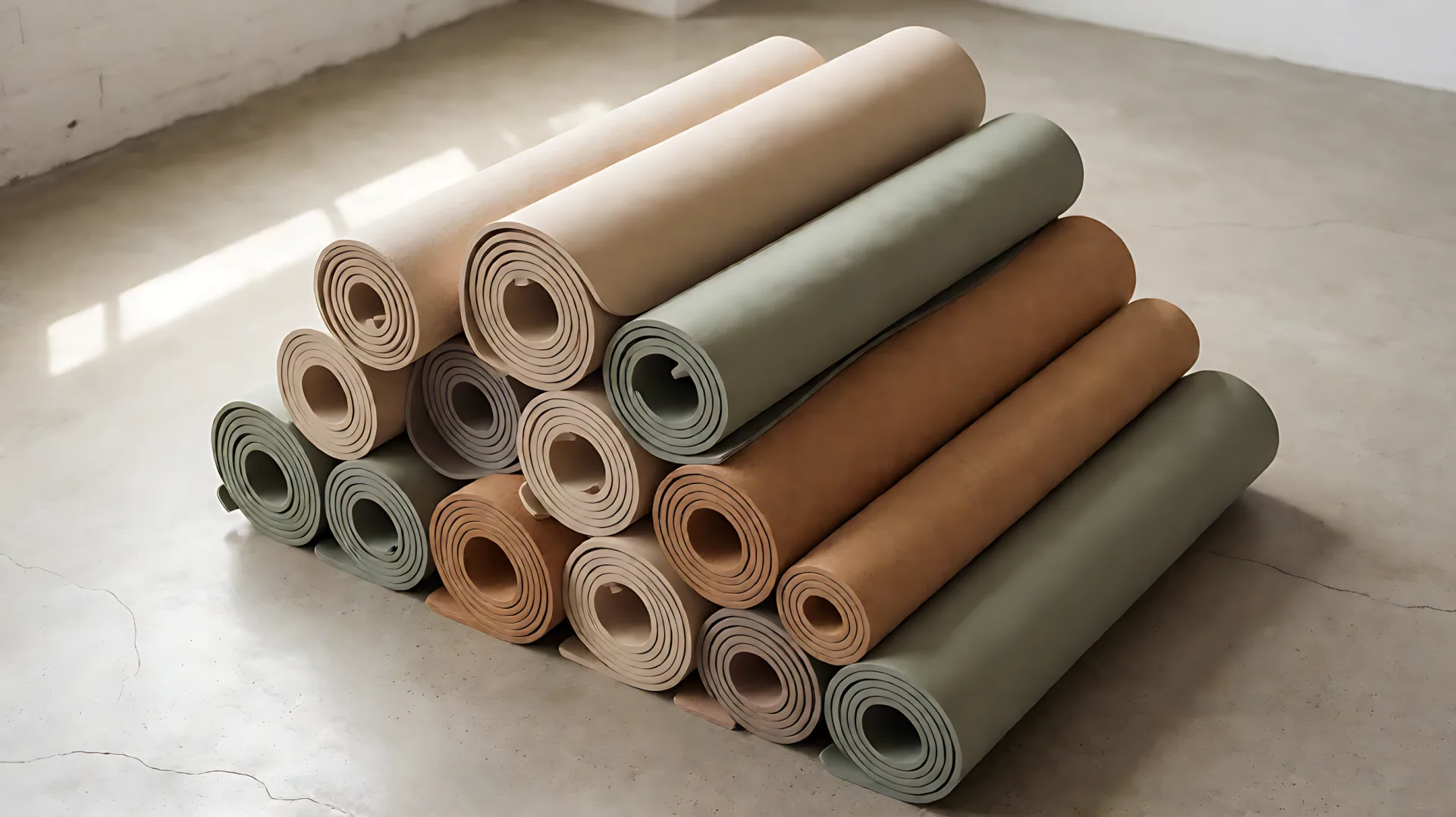
Rolled yoga mats in natural rubber, TPE, PVC and cork stacked in a bright studio
6Material families in production
4-12mmThickness range available
OEM / ODMLogo, color and packaging

Five materials, five different buyers.

Material choice drives grip performance, mat weight, shipping cost and the price your brand can charge. Below is how each option performs in real production.

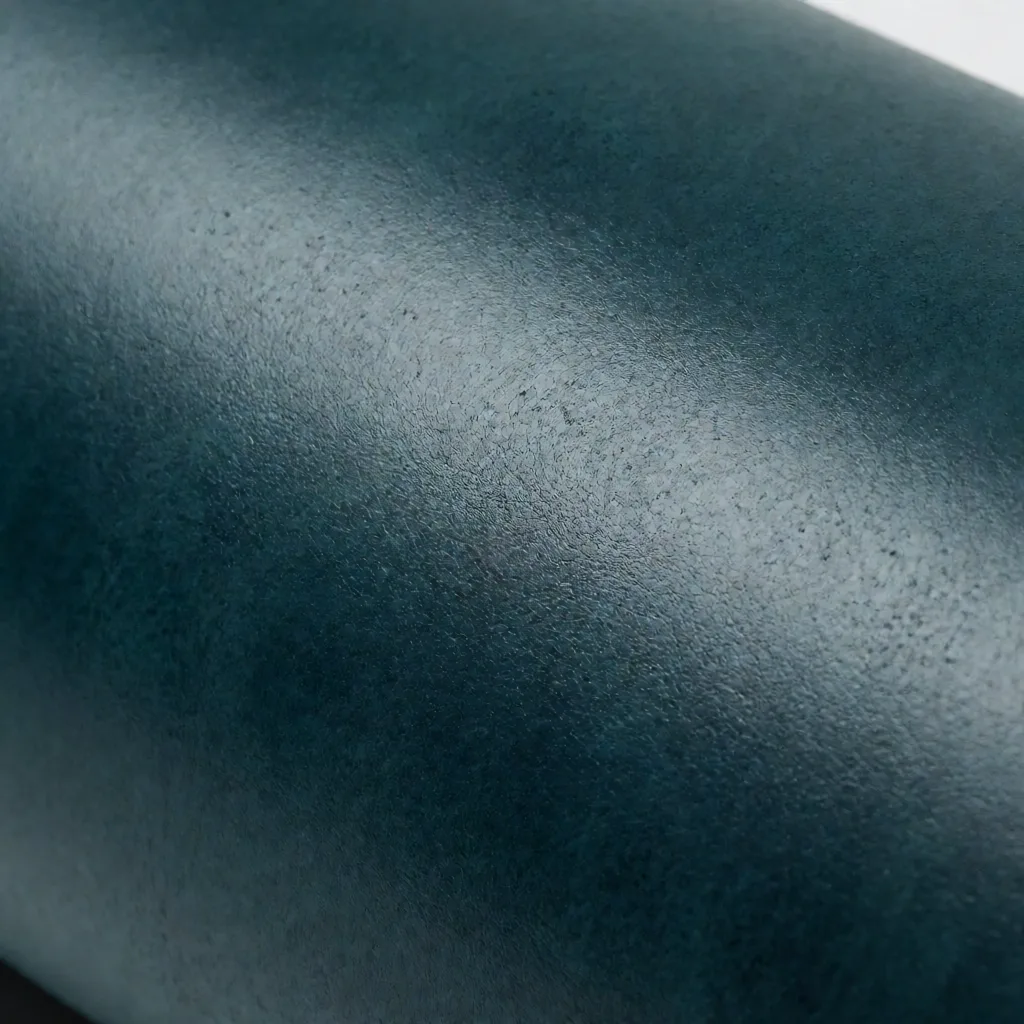
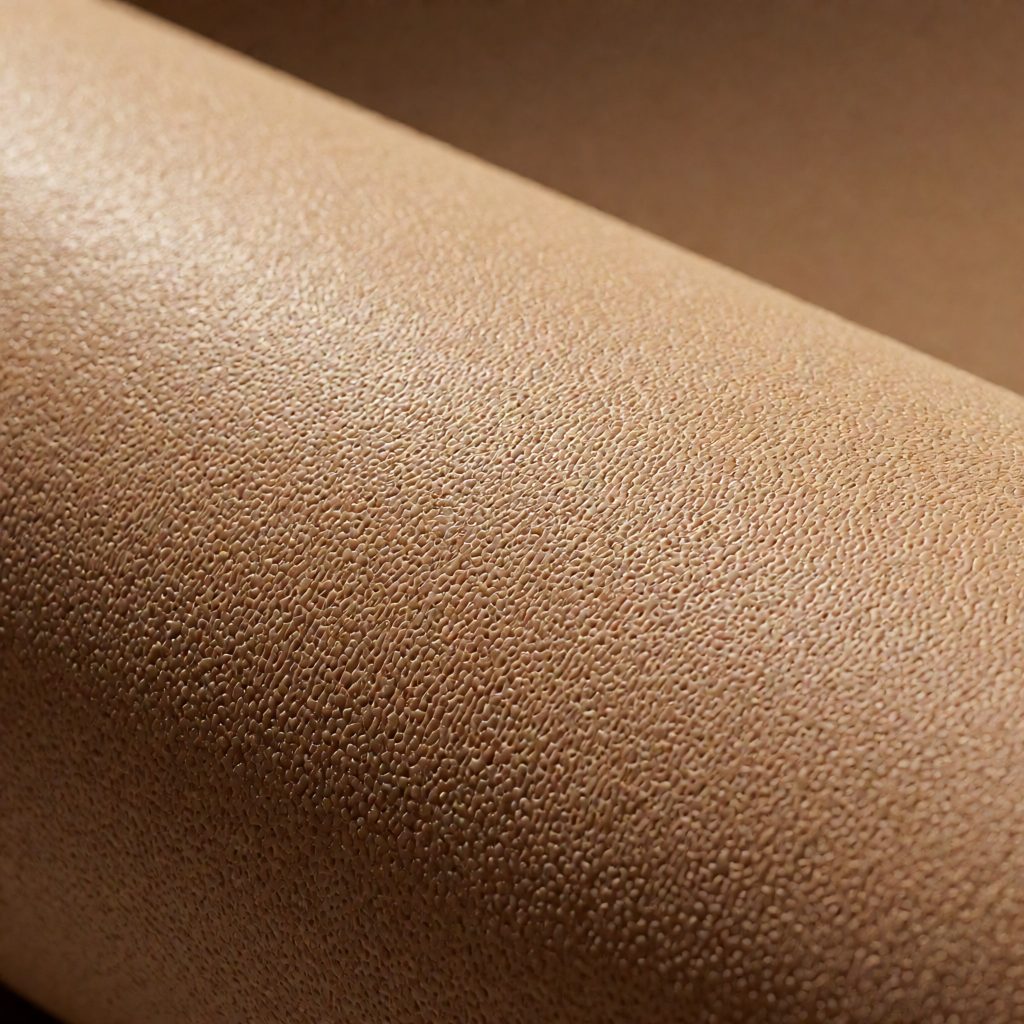
Macro texture of natural rubber yoga mat surface
Best grip

Natural Rubber

The reference standard for studio and hot yoga. Dense, high-friction surface that holds grip when hands get damp, with strong cushioning under joints.

  • GripExcellent
  • CushioningHigh
  • WeightHeavy
  • Typical thickness4-6 mm
Macro texture of TPE closed-cell foam yoga mat surface
Best seller

TPE

Lightweight, latex-free and easy to print. The most popular base for e-commerce brands because it balances cost, weight and clean color reproduction.

  • GripGood
  • CushioningMedium
  • WeightLight
  • Typical thickness4-8 mm
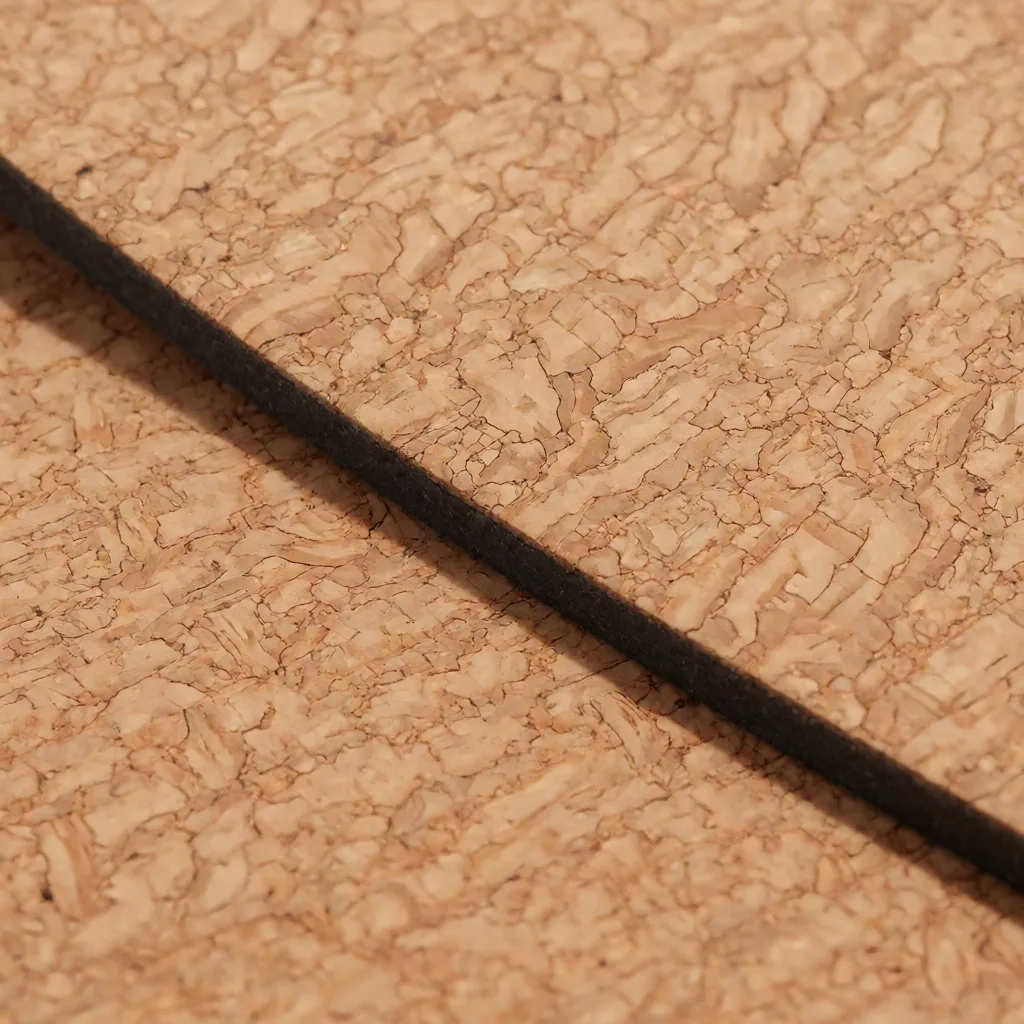
Macro texture of cork yoga mat surface with natural grain
Eco positioning

Cork

Natural cork top layer bonded to a rubber base. Grip improves as it absorbs moisture, and the grain gives every mat a distinct premium look.

  • GripExcellent when damp
  • CushioningMedium
  • WeightMedium
  • Typical thickness4-12 mm
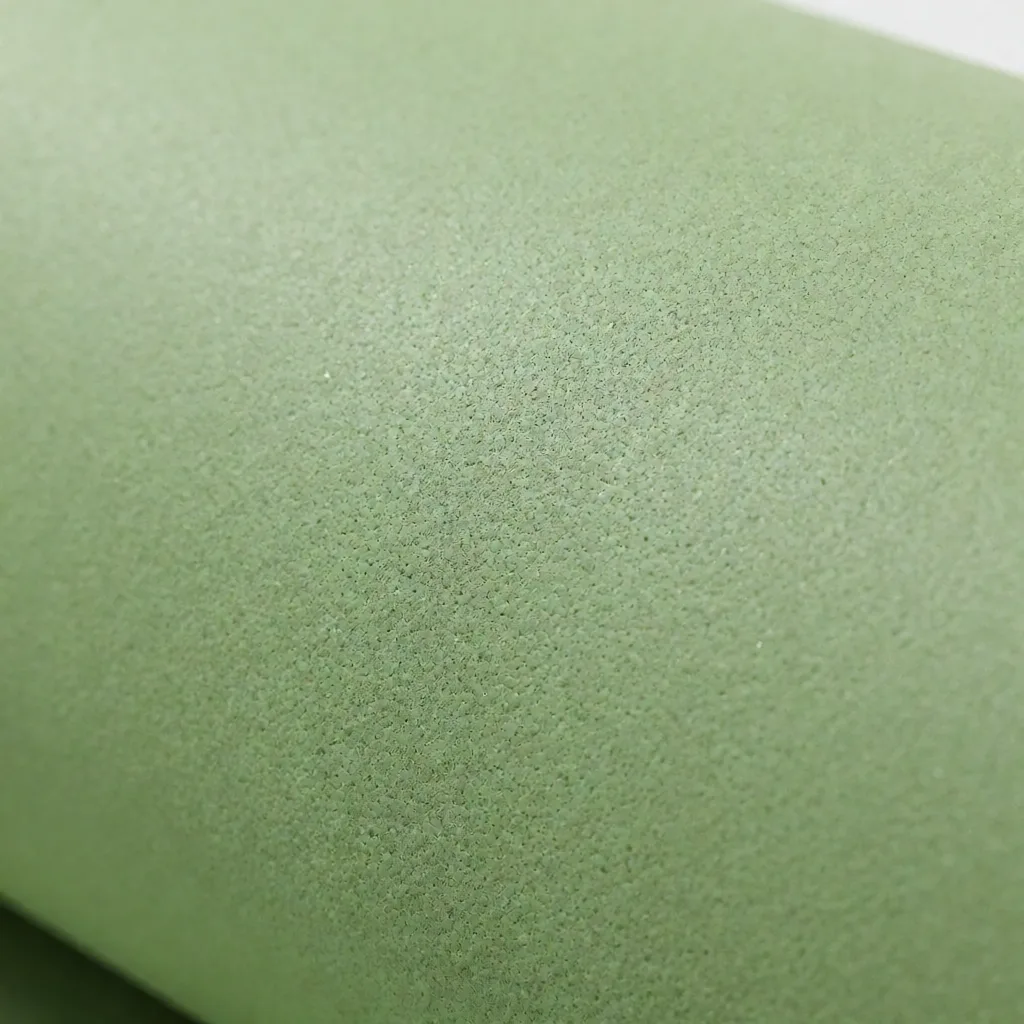
Macro texture of PU suede-top yoga mat surface
Premium

PU

Suede-like top surface with a soft hand feel and rich print depth. Chosen for luxury lines, alignment mats and studio-branded collections.

  • GripExcellent when damp
  • CushioningMedium
  • WeightMedium
  • Typical thickness4-8 mm

Side-by-side comparison.

Use this table to shortlist two materials before requesting samples. Final performance depends on thickness, density and surface treatment.

MaterialGripCushioningWeightPrint qualityBest for
Natural RubberExcellentHighHeavyGoodStudio, hot yoga, alignment
TPEGoodMediumLightExcellentE-commerce, travel, entry lines
CorkExcellent when dampMediumMediumLimitedEco brands, sweat-heavy practice
PUExcellent when dampMediumMediumExcellentPremium and studio-branded lines
PVCGoodHighHeavyExcellentBudget volume, gym supply

How we help you decide.

A short brief is usually enough. We match material, thickness and surface treatment to your price point and end user.

01

Define the use case

Studio, home practice, hot yoga, travel or rehabilitation — each points to a different material and thickness.

02

Set the price band

Retail price target determines whether TPE, PVC, rubber, cork or PU fits the line.

03

Test the surface

We send material swatches so your team can feel grip and cushioning before committing.

04

Lock the spec

Thickness, size, color, print method and packaging are confirmed before mass production.

Quality control

Every material is checked before it ships.

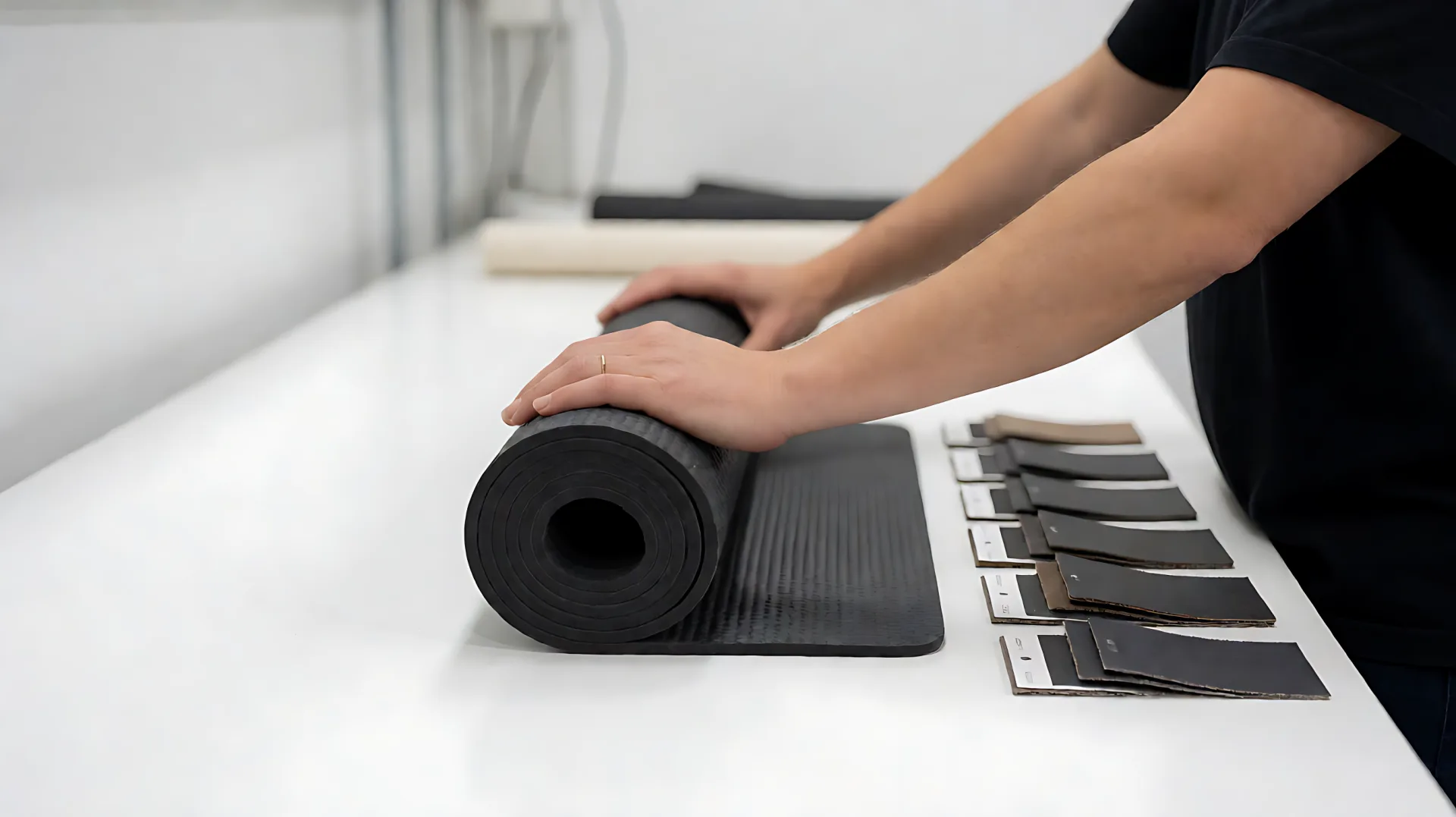
  • Incoming material inspection for density, thickness and color consistency.
  • Surface grip and anti-slip testing on finished mats.
  • Print adhesion and color fastness checks on patterned lines.
  • Rolling, packing and drop-test verification before export.

Certification documents for CE, RoHS, REACH, OEKO-TEX and SGS testing are available on request for your compliance file.

Quality inspection of a yoga mat on a clean workbench with material swatches

Not sure which material fits your line?

Send us your target market, retail price and volume. We will recommend two or three material options and arrange samples.