Learn what yogan mats actually do for grip, cushioning, size, hygiene, and portability, then match each function to your practice and your floor.
Yogan mats do four practical jobs. They create traction under hands and feet, cushion pressure against the floor, give the body a stable surface to work against, and mark out the space a practice happens in. Thickness numbers, textures, and material names matter only as far as they change those four jobs for you.
This guide treats the mat as equipment with functions to match, not a product to rank. A practitioner doing slow floor work on carpet needs something different from someone holding standing balances on tile. Reading the functions first makes the buying decision simpler and far less dependent on marketing language.
Key Takeaways
The main functions are traction, cushioning, stability, and a defined practice surface.
Grip matters most when hands or feet carry weight, or when sweat changes the surface.
A Large Yoga Mat adds movement space, and that extra size has to be weighed against portability.
Cushioning is a comfort trade-off, not a way to prevent injury.
The most useful mat matches your poses, floor, cleaning routine, and mobility needs.
Why Do Yoga Practitioners Use Yogan Mats?
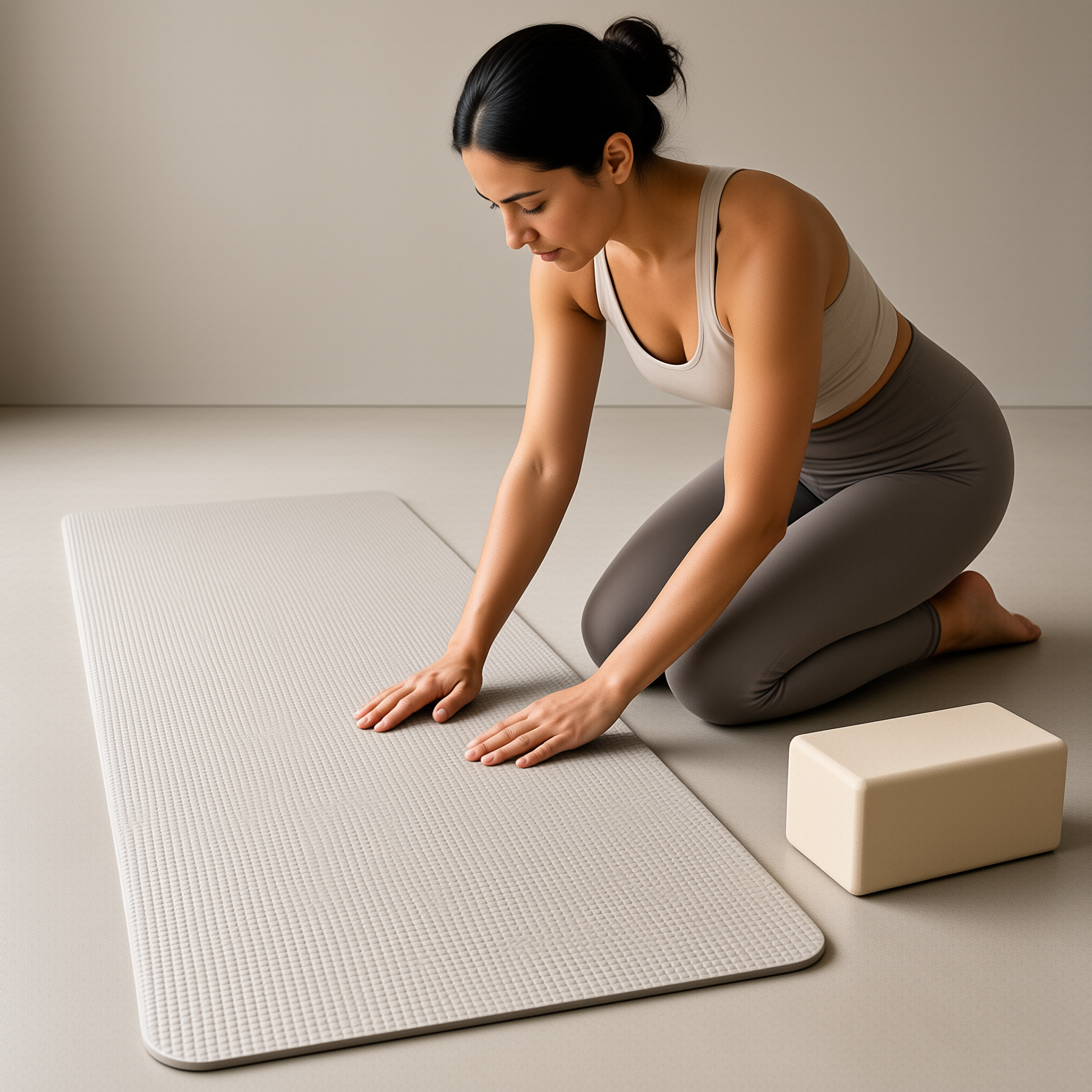
A mat is a controlled layer between the body and whatever sits underneath. Hardwood, tile, concrete, carpet, and gym flooring all behave differently, and the mat normalizes that contact so a familiar pose feels similar wherever you unroll it. It also gives a consistent boundary, which supports alignment because you can feel the edges and the texture under your palms.
The mix of functions shifts with body position. Standing poses load the feet and reward friction. Seated and reclined poses load the hips, spine, and shoulders, and reward cushioning. Arm balances and inversions load the hands and wrists, where grip and a firm surface matter at the same time.
A mat changes three things at once: friction under the hands and feet, pressure on the joints, and how clearly you can feel where your body is in space.
Grip: Keeping the Feet and Hands in Position
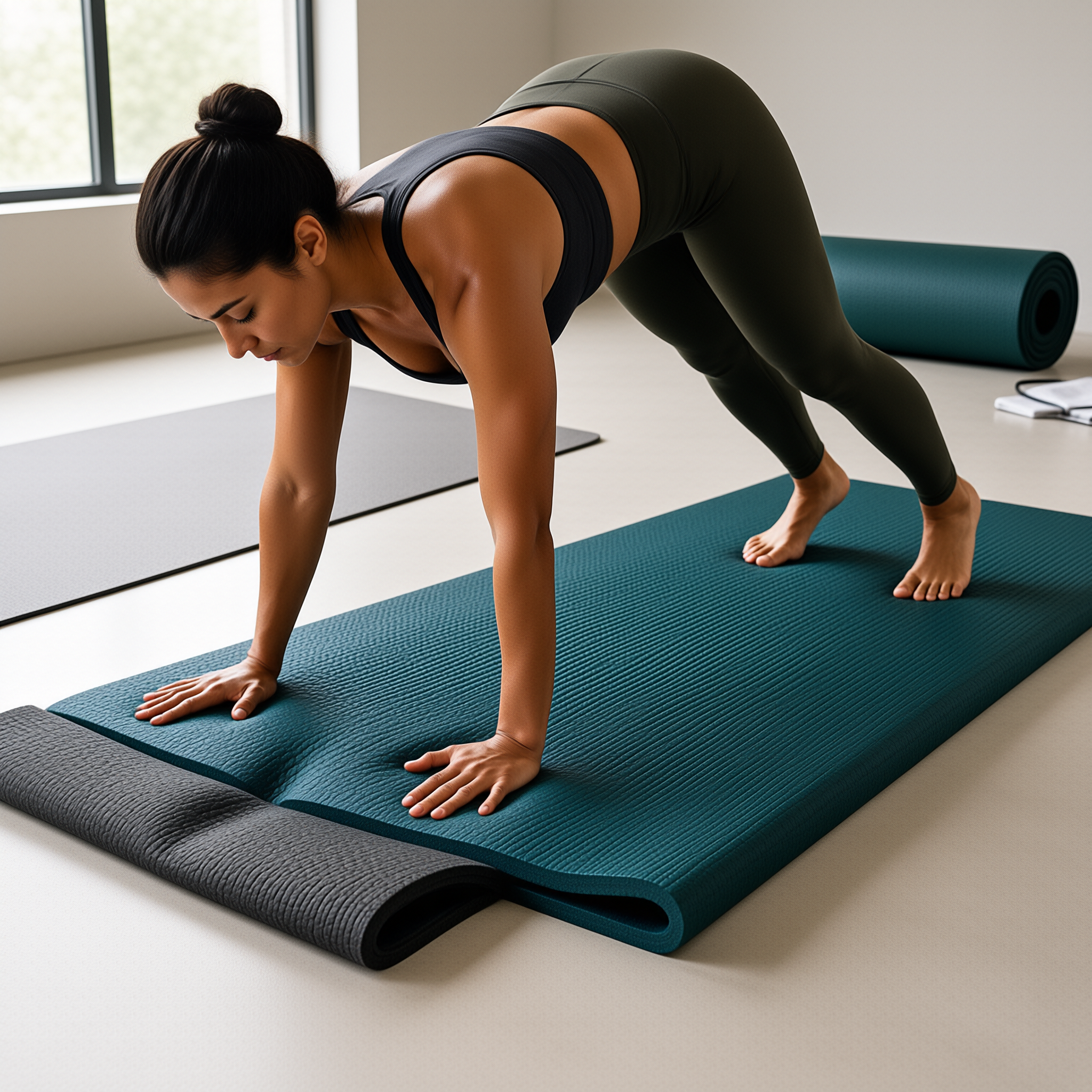
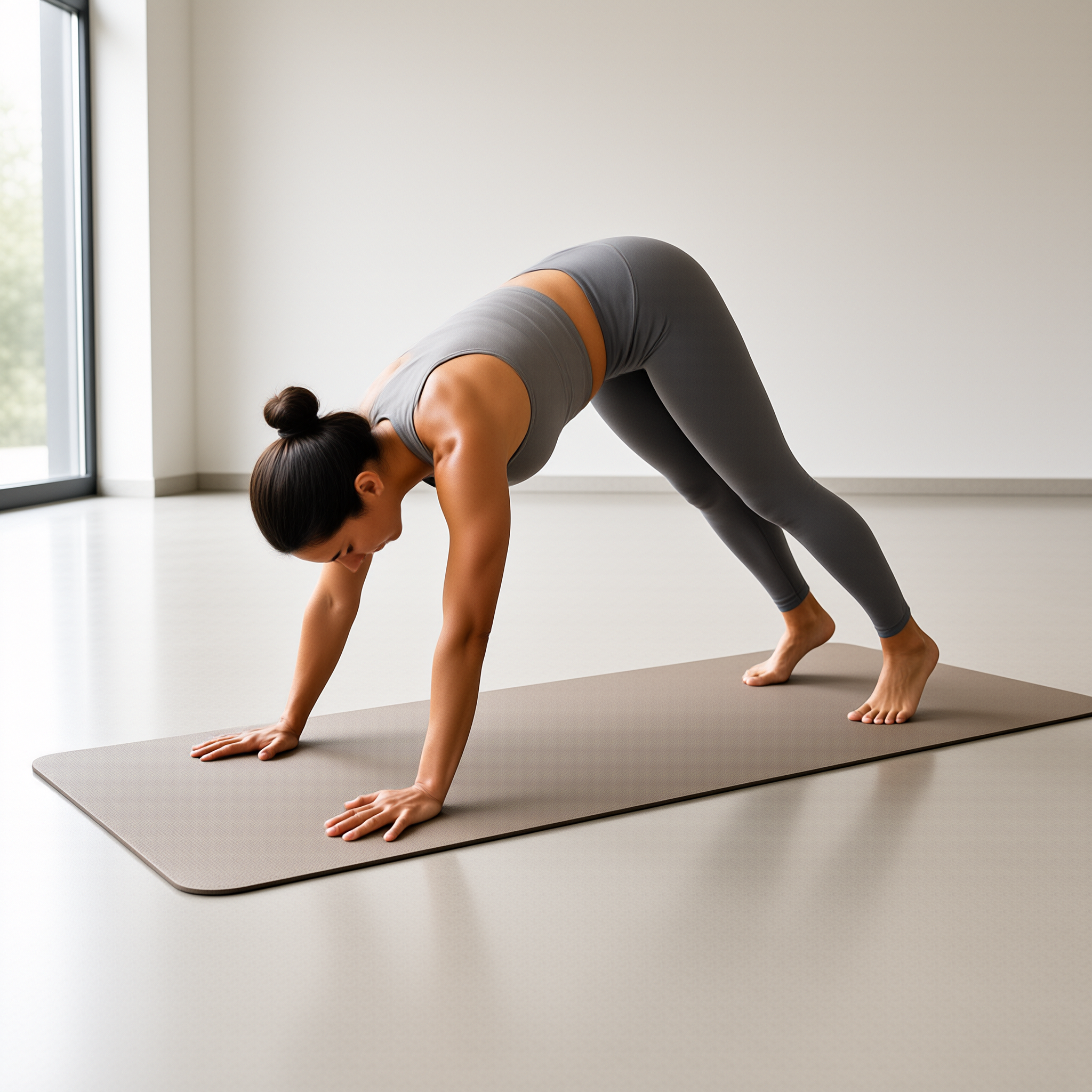
Yoga mat grip is the function with the clearest link to control. It matters most in standing balances, transitions such as stepping forward from downward-facing dog, inversions, and any pose where hands or feet carry a large share of body weight. When traction is unpredictable, practitioners curl their toes and tense their shoulders to compensate, and the pose becomes harder than it needs to be.
Conditions change the requirement more than the label does. A surface that feels secure during a dry morning practice can feel slick twenty minutes into a heated class. If you sweat heavily, check how the surface behaves when damp rather than only how it feels new and dry. A mat that stays predictable as moisture builds is more useful than a strong friction claim.
Floor type also shifts the requirement. A mat on carpet already gains mechanical resistance from the pile, while the same mat on polished tile has to do all the work itself. If your practice space has smooth flooring, grip deserves extra weight in your decision.
Cushioning: Comfort Without Losing Stability
Yoga mat cushioning spreads pressure between the body and the floor. It matters most where bone sits close to the surface: knees in kneeling poses, wrists in arm balances, the spine in reclined work, and the sit bones in long seated holds. A little more give can turn a pose you avoid into one you can comfortably repeat.
More padding is not automatically better. Foam that compresses unevenly under a standing foot can make balance work feel vague, because the ankle has to search harder for a stable base. Practitioners with sensitive knees often want more cushioning, while people working on balance and transitions usually want a firmer response. The yoga mat thickness guide explains how the common thickness bands behave in practice.
Reading cushioning as a comfort trade-off keeps expectations realistic. A mat can soften floor contact. It cannot correct alignment or shield a joint from poor loading, and poses still need the same attention to stacking and weight transfer.
Surface Area: When a Large Yoga Mat Is More Useful
Yoga mat size decides how much room you have to move. A Large Yoga Mat adds length and width, which helps in wide stances, side-lying work, reclined twists, and transitions where a limb would otherwise land off the edge. Taller practitioners and anyone practicing on hard floors usually notice the difference first.
Extra space carries a cost. A larger mat is heavier, bulkier to roll, and harder to fit into a bag or a small corner of an apartment. If you practice mostly at home in one spot, that trade is usually worth it. If you carry the mat daily, a standard size plus a towel for covered poses may serve you better.
Moisture Management and Hygiene
Sweat changes both traction and maintenance. Moisture sits on the surface and fills the texture, so a mat that felt secure goes slick and needs more frequent cleaning. How well a surface handles moisture is part of its function, especially in heated classes or long flows.
Hygiene is the function practitioners think about least until it becomes a problem. A mat that cannot dry properly between sessions stays damp, holds odor, and becomes unpleasant to touch. Check whether it can be wiped, rinsed, or air dried where you live, then follow the maker's instructions rather than improvising with harsh cleaners. The yoga mat care guide covers cleaning and storage routines in detail.
In practice, choosing a surface you will actually clean beats choosing one with the most impressive care claims. A mat wiped after every session and hung to dry holds its texture longer than one that depends on a routine you will not keep.
Portability, Durability, and Practice-Specific Performance
Yoga mat portability is a weight and volume problem. A light mat rolls thin and disappears into a backpack, while a cushioned mat protects knees but claims more shelf space. Where you practice should decide which one you carry: a daily studio commute, a weekly outdoor session, and a permanent home setup set different limits.
Durability shows up as a change in function, not just appearance. Worn texture loses grip, compressed foam loses cushioning, and a mat that curls at the edges stops offering a flat reference for alignment. In most studio setups, mats that stay flat and cleanable hold their function longest, whatever material they are made from.
Wear shows up as lost function: a mat that has gone slick or compressed has already changed how it supports a pose.
How Do You Choose Yogan Mats by Function?
Start by listing where and how you practice, then rank grip, cushioning, size, maintenance, and portability by how often each one affects a session. Functions you rank low can stay low. The ones you rank high should drive the shortlist, even when that means accepting a heavier mat or a shorter one.
| Practice demand | Function to prioritize | What to check |
|---|---|---|
| Gentle floor work and mobility | Cushioning and surface area | Knee and spine comfort, room for reclined poses |
| Hot or sweaty flow | Grip and moisture handling | Traction when damp, ability to wipe and dry fully |
| Balance and standing work | Grip and firmness | Predictable traction, minimal compression underfoot |
| Home practice on hard floors | Cushioning and size | Joint comfort, length and width for wide stances |
| Travel, commute, or outdoor use | Portability and durability | Weight, rolled volume, resistance to surface wear |
| Testing matters more than labels. Unroll the mat where you will use it and hold a downward-facing dog, a lunge, a kneeling pose, and a balance pose. Check whether hands and feet stay put, whether knees feel supported, and whether the surface gives enough feedback to correct your alignment. |
The broader yoga mat selection guide compares materials, thickness, and construction in depth, and the yoga mat collection lists available sizes. Use those once your functional shortlist is settled.
The right yogan mats are the ones whose functions match your practice, not the ones with the longest feature list. Rank what your body and routine actually need, test before committing, and revisit the choice when your practice changes.
- What are the main functions of yogan mats?
- They provide traction, cushion the body against the floor, create a stable surface for balance and alignment, and define the practice area. Moisture handling, size, and portability are secondary functions that matter more in some practices than others.
- Is a Large Yoga Mat better for every type of yoga?
- No. Extra length and width help with wide stances and floor-based movement, but they add weight and bulk. Choose a larger mat when space affects your practice and portability is not a daily concern.
- How much cushioning should I look for in a yoga mat?
- Enough that knees, wrists, and the spine feel supported in the poses you do most, without so much compression that balance feels vague. Test a kneeling pose and a standing balance on the same mat before deciding.
- Do yoga mats need to be especially grippy for hot yoga?
- They need to stay predictable as moisture builds, which usually means checking damp traction rather than dry feel. A towel over the mat can also help in very sweaty sessions.
- What is the difference between grip and cushioning?
- Grip is friction between your skin and the surface, and it keeps hands and feet in place. Cushioning is how the material spreads pressure, so it affects comfort rather than traction.
- How should I care for a yoga mat so its functions are maintained?
- Wipe it after each session, dry it fully before rolling, and follow the maker's cleaning instructions. Regular care keeps texture, grip, and odor under control.